
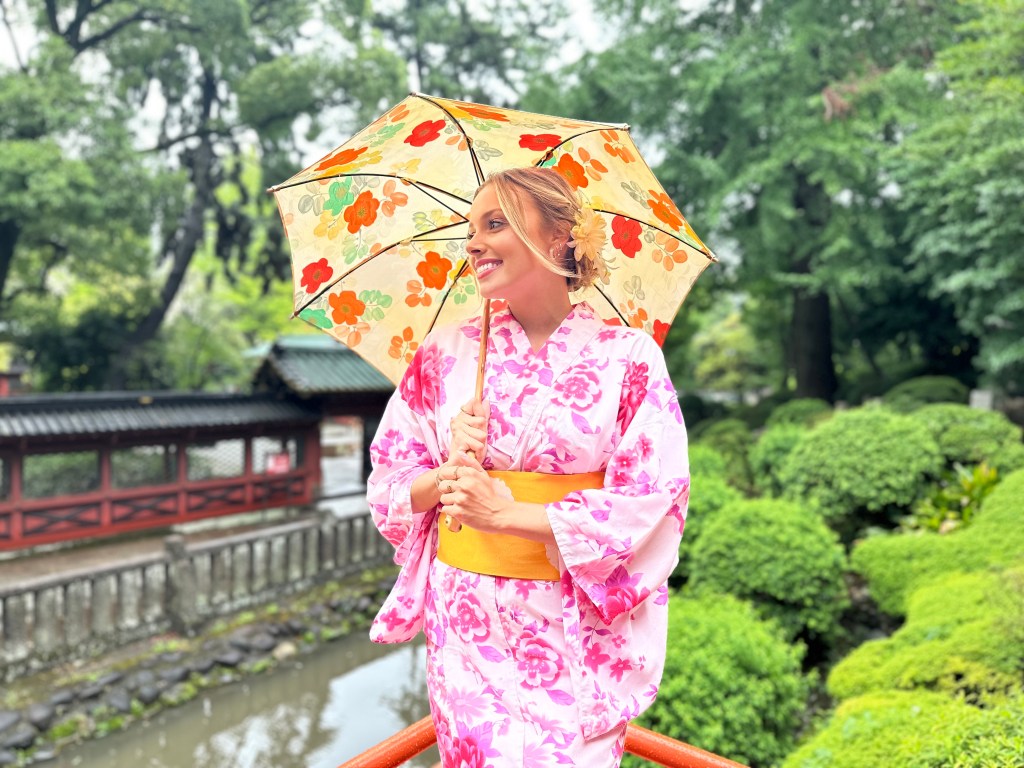
One of the most fascinating aspects of Japanese kimono is the meaning hidden within their patterns.
For centuries, Japanese people have lived with a deep respect for nature. Flowers, plants, animals, and natural phenomena were carefully observed, and their qualities became symbols of hopes and wishes such as longevity, prosperity, resilience, and happiness.
Kimono patterns are more than decorative designs. They reflect values, stories, and wisdom that have been passed down through generations.
Personally, through AKIZAKURA, I hope to share not only the beauty of kimono, but also the respect for nature and appreciation for life that can be found behind many traditional patterns.
Here are some of the most beloved floral and botanical motifs found on traditional kimono.
In This Article
- Sakura (Cherry Blossom)
- Ume (Plum Blossom)
- Kiku (Chrysanthemum)
- Botan (Peony)
- Tachibana (Wild Orange)
- Matsu (Pine)
- Take (Bamboo)
- Fuji (Wisteria)
- Momiji (Japanese Maple)
- Tsubaki (Camellia)
Sakura (Cherry Blossom)
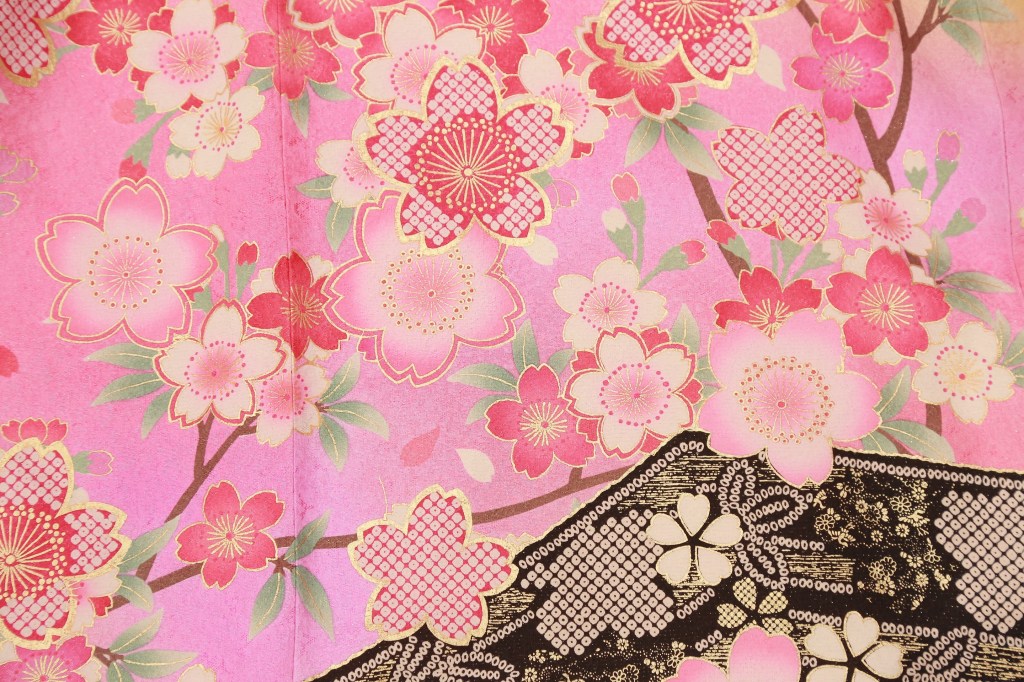
Meaning: New beginnings, beauty, and the fleeting nature of life
The cherry blossom is perhaps Japan’s most famous flower. Because the blossoms bloom beautifully for only a short period before falling, they symbolize the preciousness of each moment and remind us to appreciate life’s beauty while it lasts.
Traditionally, sakura was also associated with agriculture and the spirits of the rice fields. One theory traces the origin of the word sakura to two ancient Japanese elements: sa, referring to the spirit of the rice fields, and kura, meaning a sacred place where a deity resides. In this interpretation, the cherry tree was believed to be a place where the spirit of the fields temporarily descended before the planting season.
For this reason, cherry blossoms were not only admired for their beauty but were also regarded as sacred symbols of abundance, prosperity, and a good harvest.
Ume (Plum Blossom)
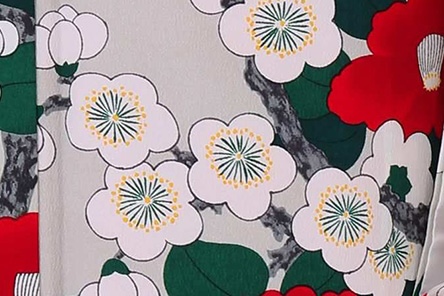
Meaning: Perseverance, hope, renewal, safe childbirth, and family prosperity
Plum blossoms bloom in the depths of winter, often before any other flowers begin to appear. Because of their ability to flourish despite the cold, they have long symbolized resilience, hope, and the promise of spring after hardship.
In Japan, ume is also associated with safe childbirth. One traditional interpretation links the word ume with the verb umu (“to give birth”), making it a symbol of fertility, family prosperity, and future generations. For this reason, plum blossoms are often found on auspicious garments worn during weddings and other celebratory occasions.
Personally, I like to imagine plum blossoms a little differently. Rather than simply enduring the cold, perhaps they bloom because they are eager to share their beauty with the world. For me, they are a reminder not only of resilience, but also of finding joy even in difficult seasons.
Kiku (Chrysanthemum)
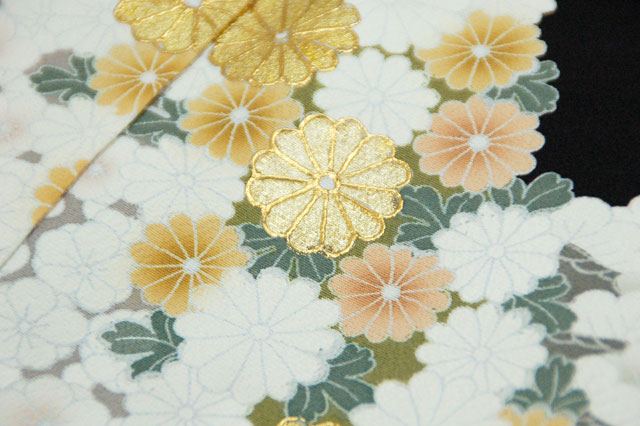
Meaning: Longevity, nobility, protection, and good fortune
The chrysanthemum is one of Japan’s most prestigious flowers and has long been associated with the Imperial Family. Its many petals radiate outward from the center like the rays of the sun, which is why it came to symbolize nobility, vitality, and the spirit of Japan itself.
For centuries, chrysanthemums have also been valued for their medicinal properties. They were used in traditional remedies, teas, and herbal medicine, leading people to associate the flower with good health, longevity, and protection from misfortune.
Because of these qualities, kiku became a symbol of long life, well-being, dignity, and inner strength. It remains one of the most beloved and auspicious motifs found on Japanese kimono today.
Botan (Peony)
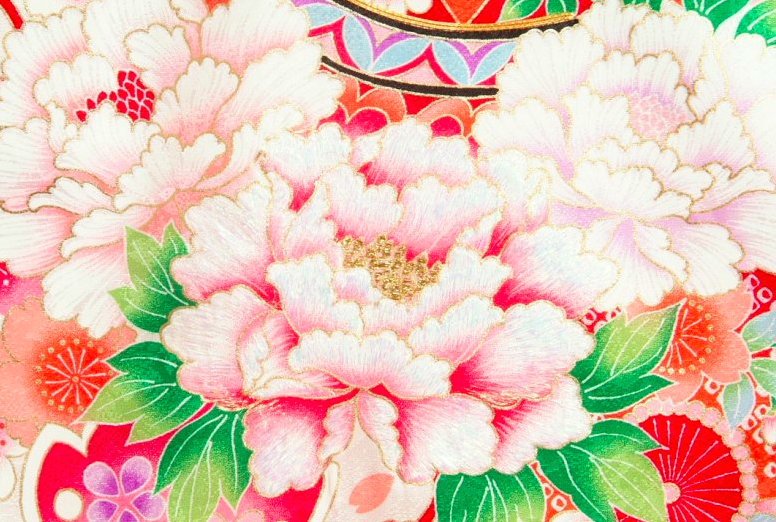
Meaning: Wealth, elegance, prosperity, and longevity
Known as the “Queen of Flowers,” the peony has long been admired for its large, magnificent blooms. Introduced to Japan from China, it became a symbol of wealth, prosperity, and good fortune, and was especially cherished among the aristocracy for its luxurious beauty.
In Japanese culture, botan is also associated with feminine elegance. A traditional saying compares a beautiful woman to different flowers, with the peony representing grace and refinement. Because of its rich appearance and its reputation as the “King of Flowers,” it came to symbolize abundance, happiness, and a flourishing life.
The character tan in botan was also historically associated with an elixir of immortality, giving the flower additional meanings of longevity and lasting vitality.
Tachibana (Wild Orange)
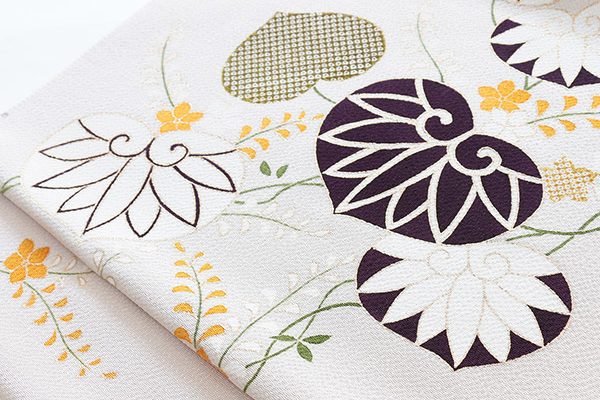
Meaning: Prosperity, longevity, and family continuity
The tachibana is an ancient Japanese citrus tree that remains green throughout the year and bears bright, fragrant fruit. Because of its vitality and ability to produce fruit, it has long been associated with prosperity, longevity, and the continuation of future generations.
In Japanese mythology, tachibana is linked to Tokoyo no Kuni — the legendary “Land of Eternal Life.” According to ancient texts, it was believed to grow in this ideal realm and became a symbol of immortality, good fortune, and blessings for future descendants.
For this reason, tachibana has been cherished as an auspicious motif representing abundance, family prosperity, and a long, fulfilling life.
Matsu (Pine)
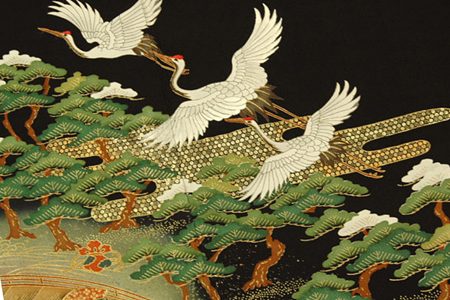
Meaning: Longevity, steadfastness, vitality, and harmonious relationships
Because pine trees remain green throughout the year, they have long been regarded as symbols of longevity, vitality, and enduring strength in Japan. Even during the harshness of winter, they continue to thrive, making them a powerful emblem of resilience and stability.
Pine needles grow in pairs, which led people to associate them with strong bonds, harmonious relationships, and marital happiness. For this reason, matsu is often used in auspicious designs celebrating longevity, good fortune, and lasting connections between people.
Take (Bamboo)
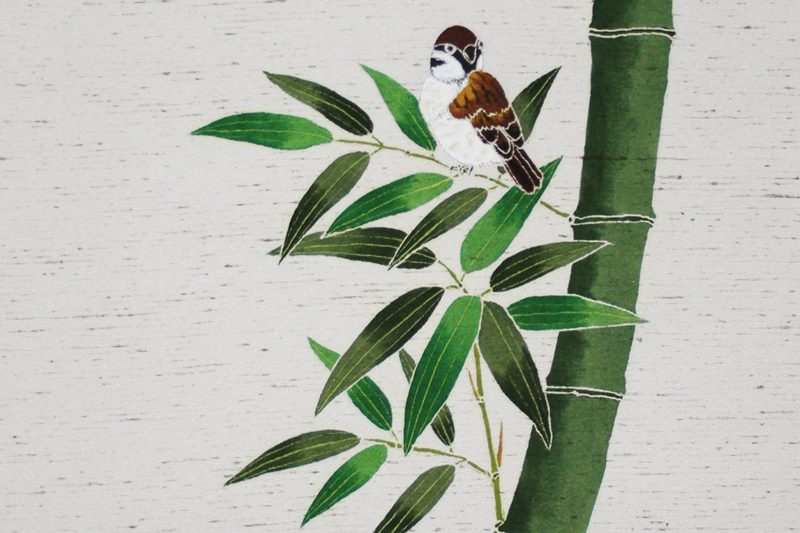
Meaning: Strength, flexibility, growth, and resilience
Bamboo remains green throughout the year and grows quickly with strong roots. Because of its vitality and evergreen nature, it has long been regarded as a sacred plant in Japan and has often been used in religious ceremonies and traditional rituals.
One of bamboo’s most admired qualities is its ability to bend in strong winds without breaking. For this reason, it became a symbol of resilience, adaptability, and inner strength. Rather than resisting every challenge, bamboo teaches us the value of staying flexible while remaining firmly rooted.
Personally, bamboo is one of my favorite motifs. To me, it represents strength with grace—the ability to bend without breaking.
Fuji (Wisteria)
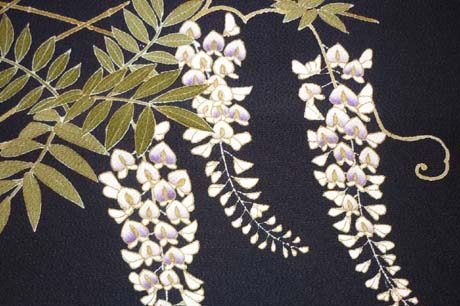
Meaning: Grace, prosperity, love, and family continuity
Wisteria is native to Japan and has been admired for centuries for its elegant clusters of cascading blossoms. Its delicate beauty and flowing form made it a symbol of grace, refinement, and prosperity.
In Japanese tradition, wisteria is also associated with love and affection. In the Kojiki, Japan’s oldest chronicle, a god is said to have presented wisteria flowers to the woman he loved, reflecting the flower’s long-standing connection with romance and devotion.
The hanging clusters of blossoms were often compared to ripening ears of rice, leading people to associate wisteria with abundant harvests and prosperity. Its trailing vines and abundant blooms also came to symbolize family continuity and the flourishing of future generations.
Momiji (Japanese Maple)
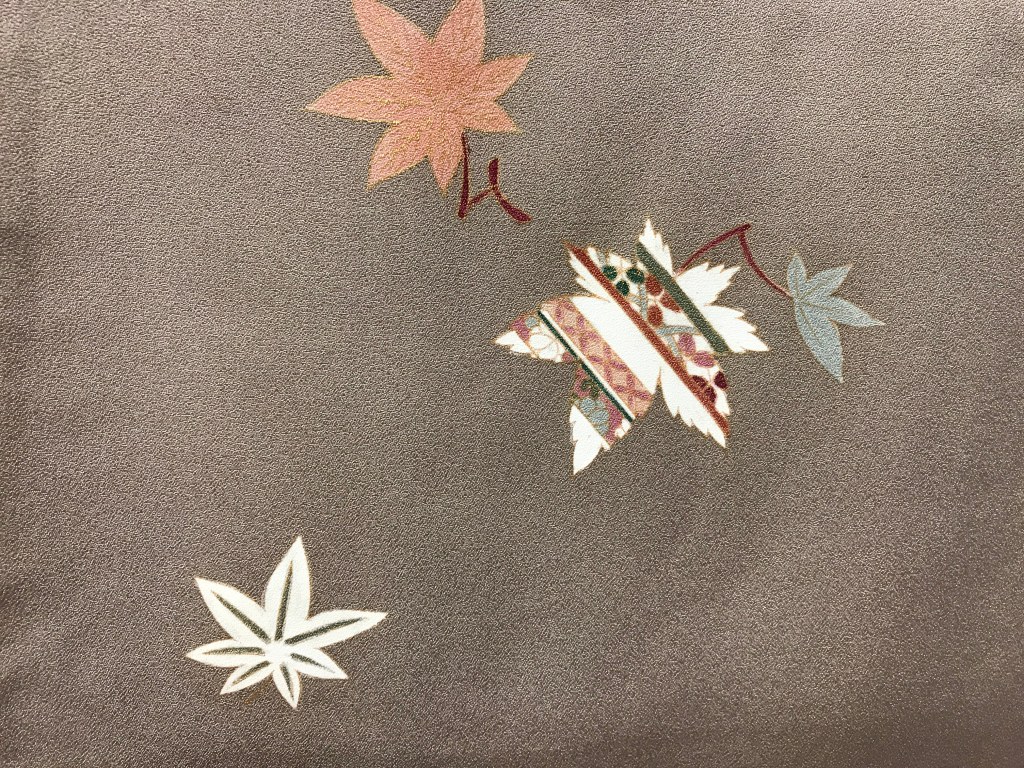
Meaning: Seasonal beauty, renewal, success, and vitality
Alongside cherry blossoms in spring, autumn maple leaves have long been one of Japan’s most beloved seasonal motifs. Their brilliant colors symbolize the beauty of change and the passing of the seasons, reminding us that transformation is a natural part of life.
In Japanese tradition, the shape of maple leaves was sometimes compared to a rooster’s comb, leading people to associate them with success, ambition, and advancement in life.
Momiji was also regarded as a symbol of renewal and restored energy. Just as people refreshed their spirits by admiring autumn foliage after the heat of summer, maple leaves came to represent vitality, recovery, and the strength to move forward into a new season.
Tsubaki (Camellia)
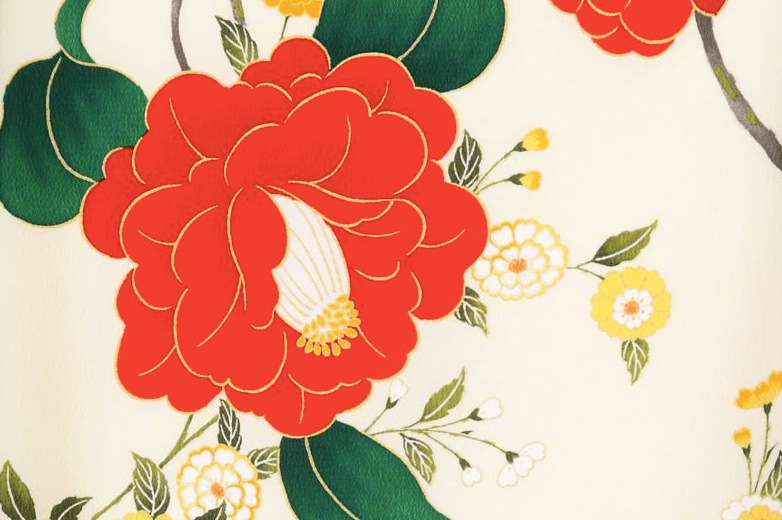
Meaning: Protection, resilience, and purity
The camellia has long been cherished in Japan for its ability to bloom beautifully even during the cold winter months. Remaining evergreen throughout the year and flourishing in challenging conditions, it came to symbolize resilience, inner strength, and enduring beauty.
Traditionally, camellia trees were believed to possess protective qualities and were often associated with warding off misfortune. For this reason, they were commonly planted near shrines and homes, where they were regarded as symbols of protection and good fortune. These associations were later reflected in kimono designs, where tsubaki came to symbolize protection, resilience, and blessings for a peaceful life.
Continue Exploring Kimono Patterns
In my next article, I will explore the meanings behind animals and birds often found on Japanese kimono, including cranes, turtles, butterflies, and other auspicious motifs.
→ Read the Next Article
Experience Kimono in Paris
Interested in wearing an authentic Japanese kimono or yukata?
Choose from more than 200 authentic kimono and yukata and discover Japanese culture in the heart of Paris.
 AKIZAKURA paris